
The Ultimate Guide to Going from Skinny Fat to Ripped
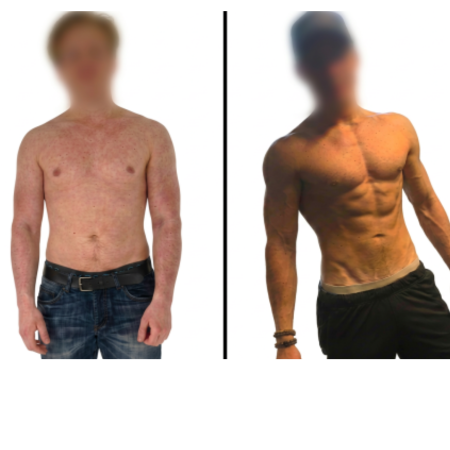
Are you tired of looking in the mirror and not knowing what to do? You’ve got a stomach and fat in your midsection, but when you look at your arms, they’re skinny. You don’t know if you should bulk or cut. You might have even tried going to the gym and eating “healthy,” but the gut just won’t budge.
If you lack the confidence to take your shirt off at the beach or in front of women, you are in the right place.
My name is Arthur Dewe, and I help men achieve elite body transformations. Today, we are tackling the skinny fat problem. I am going to give you the exact, straightforward process to go from skinny fat to ripped as fast as humanly possible.
Why Are You Skinny Fat?
Before we fix the problem, you have to understand what caused it. There are four main reasons you look the way you do:
- The Wrong Eating Habits: You might think you eat healthy or get plenty of protein at places like Chipotle, but if your body doesn’t look the part, your diet is wrong. Doing the same thing and expecting different results is the definition of insanity.
- Low Muscle Mass: You are holding onto a lot of body fat, but you lack the foundational muscle mass on your frame to distribute it properly or burn it off.
- Lack of Proper Exercise: Running miles a day and occasionally lifting weights won’t cut it. If you were training correctly, you wouldn’t be skinny fat.
- Subpar Genetics: Let’s be honest. If you are skinny fat, your body stores fat a bit differently, meaning you are starting at a slight disadvantage. You can’t just wing it like some guys; you need a strict, detailed process.
Identify Your “Skinny Fat” Type
Skinny fat is a spectrum. To know what protocol to follow, you have to identify where you stand:
- Type 1 (Skinny, Skinny Fat): You are mostly skinny, especially in your arms, but you have a noticeable gut.
- Type 2 (Skinny Fat, Fat): You carry more overall fat. You have chest fat (man boobs), a larger stomach, and your arms aren’t super skinny.
- The In-Between: You fall right in the middle of these two extremes.
The Blueprint: What You Need to Do
The approach you take depends entirely on your type.
The Type 1 Blueprint
If you are Type 1, you lack muscle. Because you have no muscle, your body holds all its fat in your midsection. You need to pack on lean mass.
- Step 1: Lean bulk for 6 months.
- Step 2: Follow it up with a 6-to-12-week cut to get shredded.
The Type 2 Blueprint
If you are Type 2, do not bulk. Your body fat is already too high. If you bulk now, your estrogen will spike, and you will just gain fat, making your chest and stomach look worse.
- Step 1: Cut 10 to 20 pounds (takes 6 to 12 weeks) to get down to around 15% body fat.
- Step 2: Enter a “Recomp” or Maintenance phase for 6 to 8 weeks to prime your metabolism.
- Step 3: Lean bulk to pack on muscle.
The In-Between Blueprint
If you are in the middle, cut first. Drop about 10 pounds. Getting leaner improves your insulin sensitivity, meaning when you finally start eating in a surplus, that food will go toward building muscle, not storing more stomach fat.
Phase 1: How to Lean Bulk (Without Getting Fat)
Notice I said lean bulk. The “dirty bulk” where you eat everything in sight is a fitness industry lie that will only make you look worse.
The Goal: Gain 0.5 to 1 pound per week. Max. Your body can only build muscle so fast; gaining more weight than this just means you are getting fat.
The Math (Calories & Macros):
- Calories: Multiply your body weight x 14. (If you don’t gain weight after a week, add 200 calories. If you gain more than a pound, cut 200 calories).
- Macros (The 50-30-20 Rule):
- 50% Carbs: Rice, potatoes, oatmeal, fruit.
- 30% Protein: Steak, chicken, fish, eggs, whey.
- 20% Fats: Peanut butter, fats from meat and eggs.
Example for a 165 lb man: 2,250 Calories (260g Carbs / 165g Protein / 60g Fats).
The 90/10 Rule: Get 90% of your calories from clean, whole foods. Because you are lean bulking, you have the freedom to let 10% of your calories come from foods you crave (like a burger or a Pop-Tart), as long as it fits your daily macros!
Phase 2: How to Cut (and Get Ripped)
Whether you are starting here (Type 2) or finishing here (Type 1), the cut is where the magic is revealed. Put away the fasting protocols—if they worked, you wouldn’t be reading this.
The Goal: Lose 2 to 3 pounds per week.
The Math (Calories & Macros):
- Calories: Multiply your body weight x 11 or 12.
- Macros (The 40-40-20 Rule):
- 40% Carbs
- 40% Protein
- 20% Fats
Example for a 180 lb man: 2,160 Calories (215g Carbs / 215g Protein / 50g Fats).
Note: Track everything using apps like MyFitnessPal or LoseIt. It takes 30 seconds to weigh your food. If you have time to scroll on Instagram, you have time to track your macros.
The Truth About Cardio
You’ve been lied to about cardio. 10,000 steps a day and crazy jump rope routines aren’t going to fix a bad diet. If your macros are off, no amount of running will get you ripped. Furthermore, intense running spikes your appetite and ruins your ability to recover from weightlifting.
The Cardio Rule: Stick to Low-Intensity Steady State (LISS) cardio.
- Equipment: Treadmill (Incline: 2.5 – 3.5 speed) or Stairmaster (Level 3 – 5).
- Duration: Start with 15 to 20 minutes after your lifting sessions. As the weeks go on and weight loss slows, gradually increase this up to 40 or 50 minutes.
How to Train in the Gym
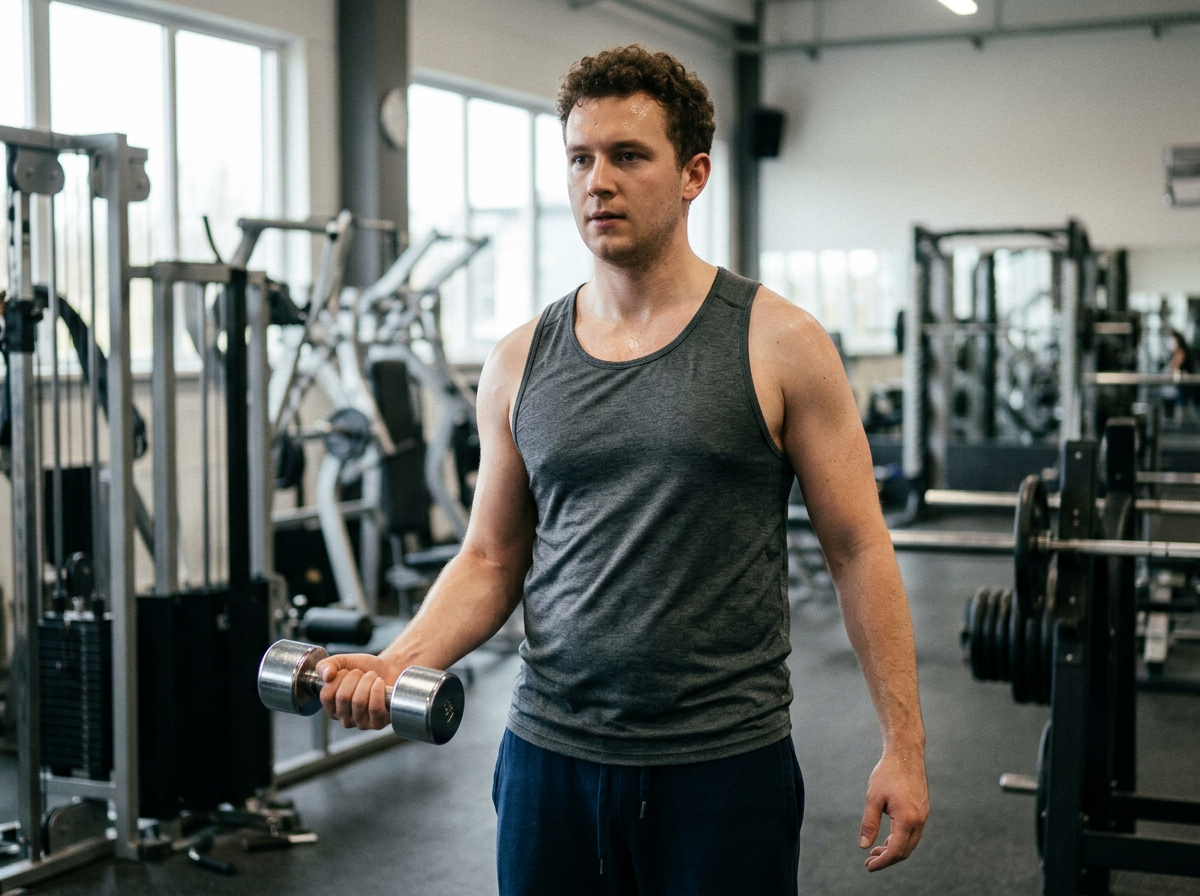
The gym is your church. It’s where you go to build a new version of yourself. The food you eat simply provides the fuel to perform in the gym.
Here is the biggest secret to training: Do not change your workouts when you switch from bulking to cutting. The exact same heavy lifting that built your muscle is what will keep it on your frame while you diet down.
- Frequency: Train 4 to 5 days a week. Training only 3 days a week leaves too many gains on the table for the average guy, and 6 days a week is too taxing for beginners. Stick to a solid 4-5 day split.
Time to Get to Work
I just gave you the exact blueprint, the math, and the strategy to completely transform your physique. The only thing left is accountability and discipline. Do the work, track your food, hit the weights, and in six months, you won’t even recognize the guy in the mirror.

Leave a Reply